TL;DR:
- Strategic property improvements that focus on repairs, exterior upgrades, and targeted interior renovations can significantly increase resale value. Prioritizing deferred maintenance repairs and cost-effective exterior projects like paint or garage doors offers high returns, while interior upgrades should be focused and within market ceilings. Proper financing strategies and avoiding over-improvement are essential to maximize ROI and ensure project success.
Strategic property value improvement is defined as a targeted combination of repairs, renovations, and exterior upgrades that generate measurable returns at resale. Strategic improvements increase resale value by 5%–15%, adding $20,000 to $60,000 on a $400,000 home. That range is wide because the projects you choose matter as much as the money you spend. This guide walks you through the highest-ROI upgrades for 2026, the financing structures that protect your budget, and the mistakes that quietly kill your returns.
How to improve property value with the right renovations
The single most effective way to raise home resale value is to fix deferred maintenance before adding any new features. Deferred maintenance repairs generate higher ROI than luxury upgrades because buyers discount heavily for visible problems. A leaking roof or failing HVAC system signals risk, and buyers price that risk into their offers.
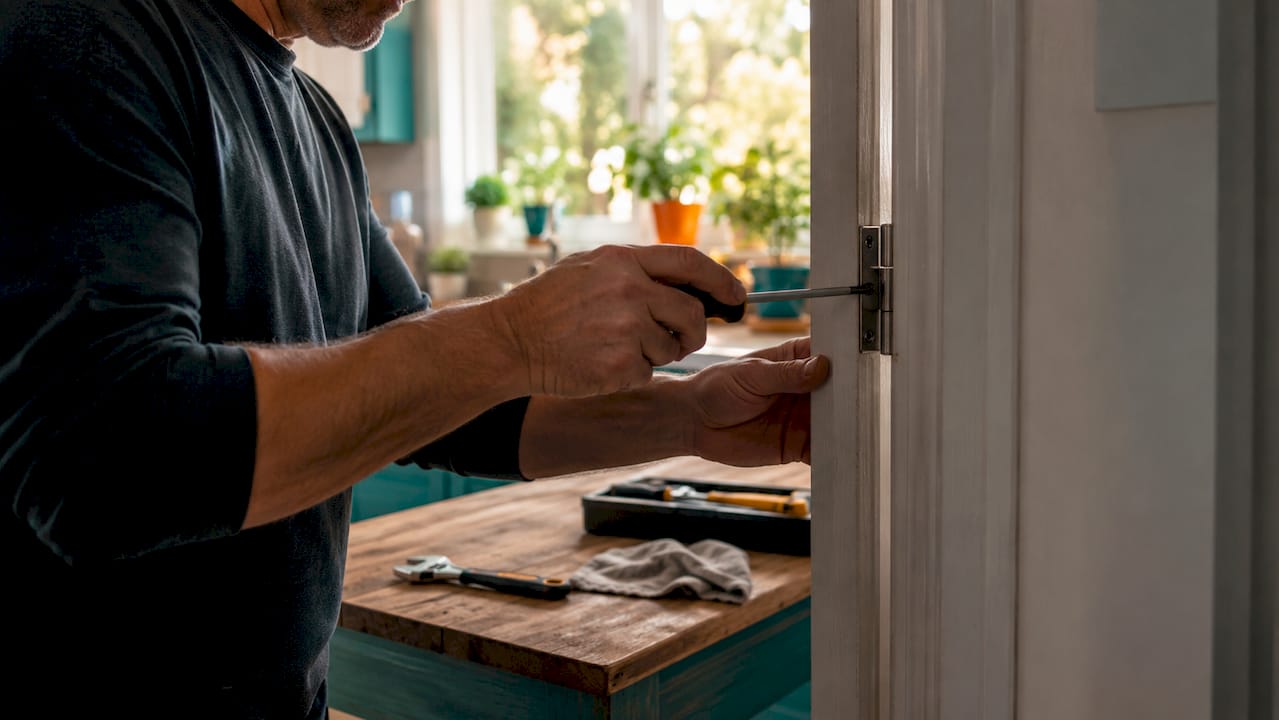
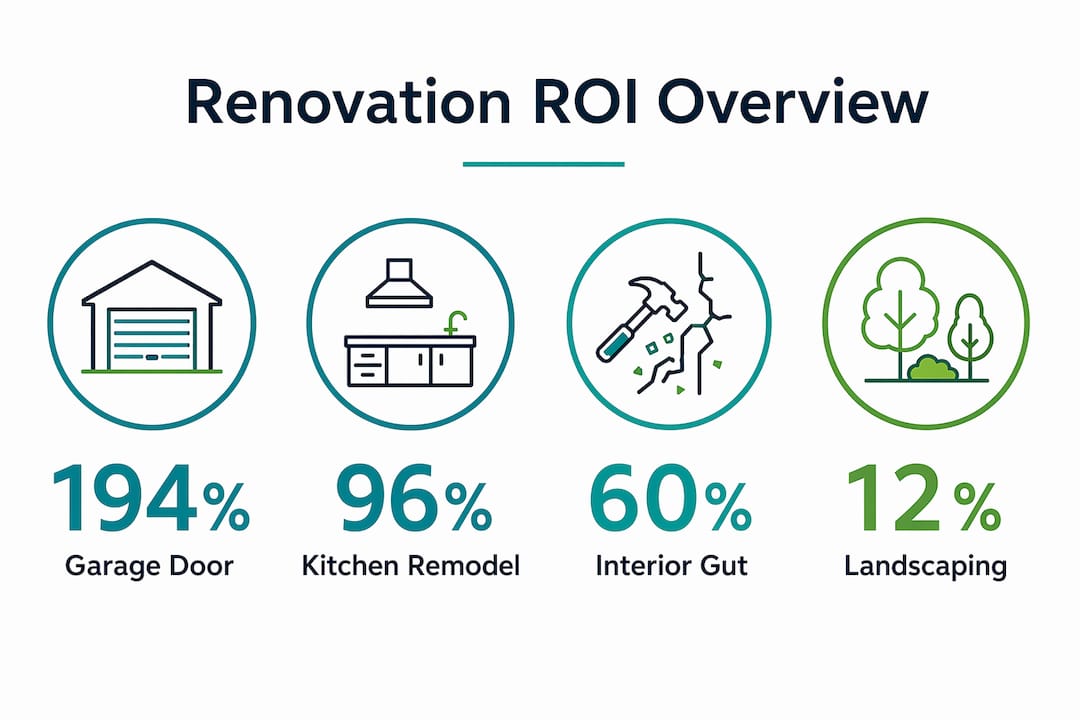
Once the fundamentals are solid, exterior projects deliver the fastest payback. Garage door replacement offers 93%–194% ROI at a cost of roughly $4,000–$4,500. That return is possible because the garage door is one of the first things a buyer sees, and a new one signals a well-maintained property without requiring a full renovation. A fresh coat of exterior paint can recoup 100% or more of its cost, making it one of the cheapest high-return projects available.
Interior gut renovations tell a different story. Interior gut renovations often return less than 60 cents per dollar compared to exterior upgrades. That does not mean skip the interior. It means be selective.
| Project | Estimated Cost | Typical ROI |
|---|---|---|
| Garage door replacement | $4,000–$4,500 | 93%–194% |
| Exterior paint | $2,000–$5,000 | 100%+ |
| Minor kitchen remodel | $20,000–$28,000 | 96%–113% |
| Landscaping improvements | $500–$3,000 | 5%–12% value lift |
| Half-bathroom addition | $25,000–$50,000 | $10,000–$25,000 added value |
Pro Tip: Never spend more than 30% of your home’s current value on any single remodeling project. Appraisers use neighborhood comps to set ceilings, and no renovation can push your value past what comparable homes support.
How does curb appeal influence property value?
Curb appeal is the first impression a property makes before a buyer steps inside, and it directly shapes both appraisal outcomes and buyer psychology. Landscaping improvements costing $500–$3,000 can increase perceived property value by 5%–12%. That is a significant return for work that often takes a single weekend.
The projects that move the needle most are not necessarily the most expensive. Here is what consistently performs:
- Lawn care and edging: A clean, green lawn signals maintenance. Buyers notice dead patches and overgrown edges immediately.
- Fresh mulch and trimmed hedges: Mulch costs under $200 for most properties and makes beds look intentional and cared for.
- Seasonal flowers near the entry: Color near the front door draws the eye and creates a welcoming first impression.
- Siding replacement or power washing: Dirty or damaged siding reads as neglect. Power washing alone can transform a facade for under $300.
- Exterior lighting: Path lights and a well-lit entry increase perceived security and add visual appeal in listing photos.
Move-in readiness and curb appeal dominate buyer preference in seller’s markets. In competitive conditions, buyers make decisions fast, and a property that looks ready to occupy commands a premium over one that needs work. Agny’s exterior renovation work consistently shows that buyers will pay more for a home that looks finished, even when the interior is identical to a competing listing.
For properties where siding is aging or damaged, a full replacement delivers both curb appeal and structural protection. Resources like Elevated Roofing and Siding’s curb appeal guide offer practical exterior upgrade frameworks that apply across most American markets.
What interior upgrades deliver the best increase in home value?
Kitchen and bathroom remodels are the interior projects with the strongest track record for improving real estate value. Minor kitchen remodels recover 96%–113% of a $20,000–$28,000 investment. That return beats most financial instruments over the same period, and you get to live in the improved space while you wait for the payoff.
The key word is “minor.” A minor remodel means working within the existing layout and footprint. Here is a practical sequence for maximizing kitchen ROI without a gut renovation:
- Reface or paint cabinets. New cabinet doors and hardware cost a fraction of full replacement and deliver most of the visual impact.
- Replace countertops. Quartz and butcher block both photograph well and hold up to daily use. Buyers notice countertops immediately.
- Update fixtures and hardware. New faucets, drawer pulls, and light fixtures cost under $500 total and modernize the space without structural work.
- Replace flooring. Luxury vinyl plank is durable, waterproof, and reads as premium in listing photos. It also installs over most existing subfloors.
Bathrooms follow the same logic. A bathroom renovation that adds real value focuses on updated tile, new vanities, and modern fixtures rather than moving plumbing walls. Adding a half-bathroom where space allows can add $10,000–$25,000 in value, though construction costs of $25,000–$50,000 mean the math only works in higher-value markets.
Energy-efficient upgrades improve appeal by 2%–8% and are better suited for long-term owners than short-term flippers. Smart thermostats and updated insulation reduce operating costs, which buyers in certain markets factor into their offers. Smart thermostats and lighting can save costs and increase listing appeal by approximately 3%.
Pro Tip: Prioritize move-in readiness over luxury features. A buyer who can move in without doing any work will pay more than a buyer who loves your custom wine cellar but needs to replace the water heater.
How can financing strategies support property improvement projects?
Financing the right way protects your ROI as much as choosing the right project. The three most common routes are cash, a home equity line of credit (HELOC), and a dedicated renovation loan. Each has a different risk profile depending on your timeline and investment goals.
- Cash: No interest cost, no lender approval, and full flexibility on project scope. The right choice when you have reserves and plan to sell within 12–24 months.
- HELOC: Draws against existing equity at variable rates. Works well for phased projects where you do not need all the money upfront. Rates fluctuate, so model your costs at both current and elevated rates.
- Renovation loans (FHA 203k, Fannie Mae HomeStyle): Allow you to finance purchase and renovation in a single loan. Best for investors acquiring properties that need significant work before they are marketable.
One constraint applies across all lender-backed options. Lenders require mortgage plus renovation loans to stay under 90% of the pre-renovation appraised home value. That cap limits how much you can borrow and means large-scale projects on lower-value properties may not qualify for full financing. Plan your budget against this ceiling before committing to a scope.
Do not exceed 30% of your home’s value on any remodeling project. That rule exists because neighborhood price ceilings limit what appraisers can justify, regardless of what you spent. Agny’s renovation financing options guide walks through how to match your financing structure to your investment horizon.
What common mistakes reduce property value gains?
Over-improving is the most expensive mistake property owners make. Building a $150,000 kitchen in a neighborhood where homes sell for $350,000 does not produce a $500,000 sale. Appraisers use comparable sales to set value, and no amount of craftsmanship overrides what the market will bear.
Three other mistakes consistently reduce returns:
- Skipping deferred maintenance. Buyers and inspectors find problems. A $500 roof repair ignored for two years becomes a $5,000 negotiating concession at closing.
- Choosing luxury features over functional upgrades. Heated floors and custom wine storage appeal to a narrow buyer pool. Updated electrical panels and new windows appeal to everyone.
- Underestimating project costs. Budget overruns are the primary reason renovation projects destroy ROI. Get three contractor bids, add a 15% contingency, and do not start a project you cannot finish.
Pro Tip: Before any major renovation, get a pre-renovation appraisal. It tells you exactly where your property sits relative to neighborhood comps and shows you the ceiling you are working toward. A good contractor, like those Agny works with, will use that number to scope the project correctly.
Key takeaways
The most effective strategy to improve property value combines deferred maintenance repairs, targeted exterior upgrades, and selective interior remodels that stay within neighborhood price ceilings.
| Point | Details |
|---|---|
| Fix maintenance first | Deferred repairs generate better ROI than luxury upgrades and prevent buyer discounts at closing. |
| Exterior projects pay fast | Garage door replacement and exterior paint both return 93%–194% and 100%+ respectively. |
| Kitchen and bath lead interiors | Minor kitchen remodels recover 96%–113% of cost; focus on cabinets, counters, and fixtures. |
| Respect the 30% budget rule | Never spend more than 30% of your home’s value on a single project to protect your ROI. |
| Match financing to your timeline | Cash suits short holds; HELOCs and renovation loans work for phased or acquisition projects. |
What I have learned about property value after years in renovation
Most homeowners come to Agny with a list of things they want. Marble countertops, custom cabinetry, a spa bathroom. My job is to redirect that energy toward what actually moves the needle at resale.
The data backs up what I have seen on the ground: exterior improvements and deferred maintenance repairs consistently outperform interior luxury upgrades in ROI. But the insight that surprises most clients is how much condition matters relative to features. A clean, well-maintained home with original 1990s finishes will often sell faster than a partially renovated home with visible deferred maintenance. Buyers are not just buying the upgrades. They are buying confidence that the property will not surprise them with problems.
I have also watched clients over-improve repeatedly. One investor in a mid-market neighborhood spent $80,000 on a kitchen that the market simply could not absorb. The home sold for $15,000 more than comparable properties. That is a $65,000 loss on the renovation investment alone. The neighborhood ceiling is real, and no amount of craftsmanship changes it.
My honest recommendation: start with a pre-renovation appraisal, identify the gap between your current value and the neighborhood ceiling, and spend strategically to close that gap. Do not try to exceed it.
— Grzegorz
How Agny can help you get the most from your renovation
Agny specializes in kitchen and bathroom renovations, millwork, and general contracting for property owners who want real returns, not just beautiful spaces. Every project starts with a clear scope tied to your resale goals and neighborhood comps.
Whether you are planning a minor kitchen refresh or a full bathroom overhaul, Agny’s team builds projects around your investment timeline. The kitchen renovations that add real value page shows exactly how Agny approaches ROI-focused remodeling. For owners who need to fund their project, the renovation financing options review breaks down every major financing route available in 2026, including HELOCs, renovation loans, and hybrid structures. Start there before you commit to a scope.
FAQ
What repairs add the most value before selling?
Deferred maintenance repairs, including roofs, HVAC systems, and water damage, generate higher ROI than any luxury upgrade. Fixing visible problems removes buyer objections and prevents negotiating concessions at closing.
How much does landscaping increase property value?
Landscaping improvements costing $500–$3,000 can increase perceived property value by 5%–12%. Simple projects like fresh mulch, trimmed hedges, and a maintained lawn deliver the strongest return per dollar spent.
What is the 30% renovation budget rule?
The 30% rule states that you should not spend more than 30% of your home’s current value on any single remodeling project. Exceeding this threshold risks negative ROI because neighborhood price ceilings limit what appraisers can justify.
Does a minor kitchen remodel really pay off?
Yes. Minor kitchen remodels recover 96%–113% of a $20,000–$28,000 investment by focusing on cabinets, countertops, fixtures, and flooring without moving walls or changing the layout.
What financing option works best for renovation projects?
Cash is best for short-term holds with a 12–24 month resale timeline. HELOCs work well for phased projects, while FHA 203k and Fannie Mae HomeStyle renovation loans suit investors financing acquisition and renovation together. All lender-backed options are capped at 90% of the pre-renovation appraised value.