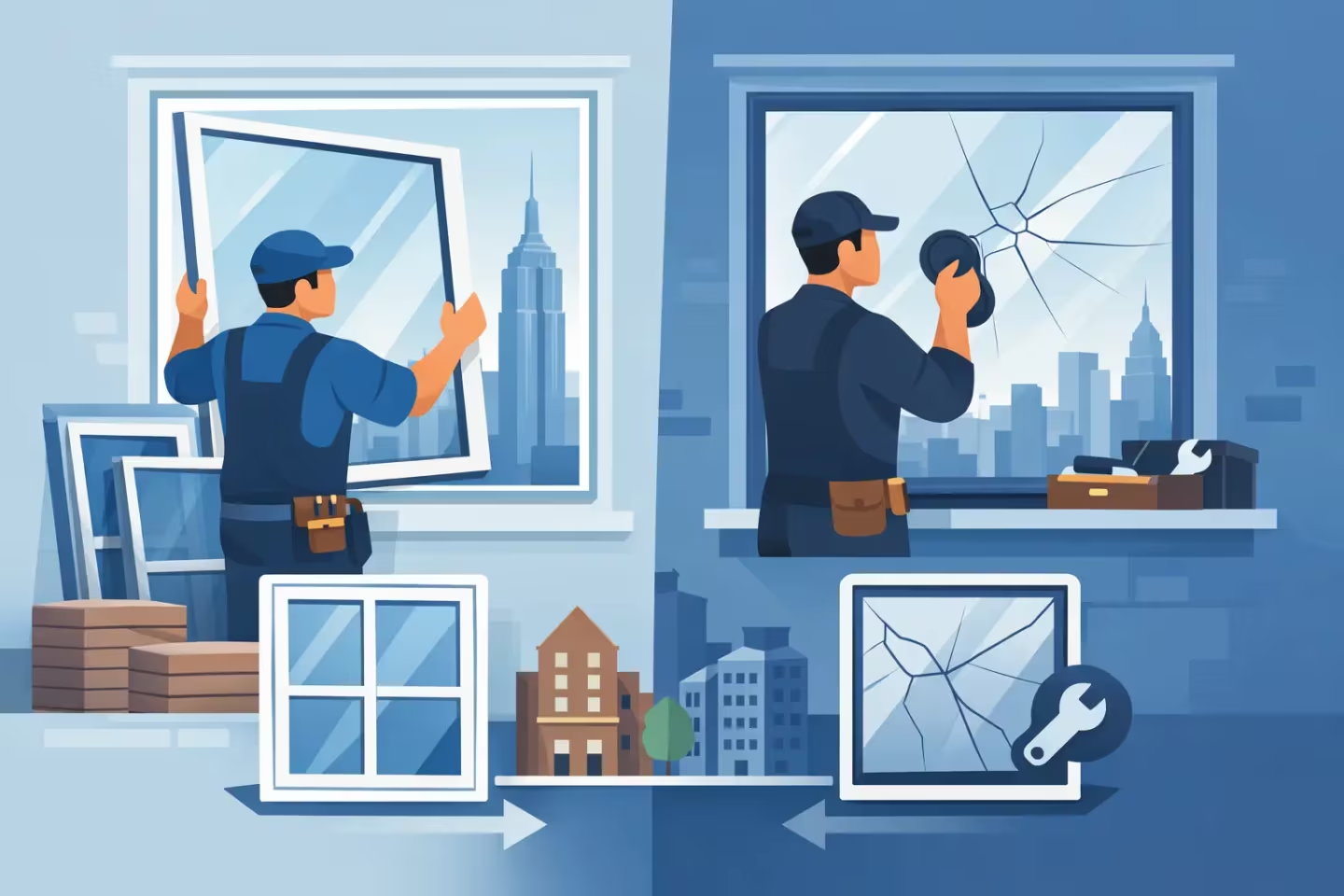
A window that rattles during a January windstorm, fogs between the panes, or refuses to stay open is more than a minor annoyance. In a New York apartment, townhouse, or commercial space, it can affect comfort, energy use, noise control, safety, and the appearance of the entire property. The decision around window replacement vs window repair is therefore rarely just about the lowest immediate price. It is about choosing work that protects the building, meets its requirements, and delivers a result that will hold up.
For some windows, targeted repair is the right answer. For others, repair only postpones a larger failure. The best choice begins with a clear assessment of the frame, glazing, hardware, installation, and the rules that apply to the building.
When Window Repair Is the Better Investment
Repair is often worthwhile when the window’s core structure is sound and the issue is isolated. A failed sash balance, worn weatherstripping, broken lock, loose crank, damaged screen, or deteriorated caulk can make a functional window feel unusable. Correcting these components may restore operation and improve comfort without disturbing the existing frame or exterior facade.
Older wood windows can also be excellent candidates for repair when rot is limited and the profiles are worth preserving. A skilled contractor can address localized deterioration, reglaze panes, repair sash cords or balances, restore hardware, and repaint or seal the assembly. In a prewar apartment or historic property, this approach may protect architectural character that a standard replacement unit cannot replicate.
Repair is particularly practical when a building has strict exterior standards. Co-op and condominium boards may require matching sightlines, finishes, grille patterns, and glass specifications. In landmarked areas, even a seemingly simple change to a street-facing window can require review. Repairing an approved existing unit can sometimes avoid a more involved approval process, although owners should still confirm the building’s rules before work begins.
That said, repair should provide a meaningful service life. Replacing a small amount of weatherstripping is sensible. Repeatedly repairing a warped frame, leaking insulated glass unit, and failing hardware on the same window is usually not.
Common Repairs That Can Deliver Real Value
A professional evaluation may identify a limited scope with a strong return. Re-caulking perimeter gaps can reduce drafts and moisture intrusion. Replacing balances can restore smooth sash operation. New locks and handles can improve security, while glass replacement may resolve a cracked pane or failed insulated unit without replacing the full window.
The key is diagnosing the source of the problem. Water staining around a window, for example, may come from failed exterior sealant, improper flashing, masonry conditions, or a leak from above. Replacing the window without addressing the surrounding envelope can leave the underlying issue untouched.
Window Replacement vs Window Repair: When Replacement Wins
Replacement becomes the stronger long-term decision when the window itself has reached the end of its useful life. Extensive wood rot, corroded metal frames, warped sashes, persistent air leakage, recurring water intrusion, or failed double-pane seals across multiple units are signs that isolated repairs may no longer be financially prudent.
Performance matters in New York City. A well-selected replacement window can improve thermal comfort near the glass, reduce street noise, and create a tighter building envelope. For owners renovating an entire apartment, replacing outdated windows can also bring a more consistent visual standard to the space, especially when paired with new finishes, millwork, HVAC upgrades, or a reconfigured layout.
Replacement is also appropriate when the existing windows cannot meet the needs of the room. A bedroom window with damaged hardware or inadequate egress may create a safety concern. A ground-floor commercial window with compromised glass or frames may require a more durable security solution. In these cases, the decision extends beyond appearance and comfort.
However, “replacement” should not mean selecting the fastest available product and inserting it into an old opening. A window is only as effective as its measurement, detailing, flashing, perimeter sealing, and integration with the wall. Poor installation can create drafts, water problems, damaged finishes, and premature failure even when the window itself is high quality.
Signs It Is Time to Replace Rather Than Patch
Replacement deserves serious consideration when you are dealing with several of these conditions at once:
- Condensation or fogging between insulated glass panes
- Frames that are extensively rotted, corroded, bent, or out of square
- Windows that leak after professional sealing or repair attempts
- Significant noise and draft issues throughout the home or office
- Repeated hardware failures where replacement parts are unavailable
- A planned renovation that requires a coordinated upgrade in performance and appearance
One isolated issue does not automatically justify a new window. But multiple failures usually indicate that the window system is no longer performing as a dependable part of the building envelope.
The NYC Factors That Change the Decision
In Manhattan and Brooklyn, window work often involves more coordination than property owners expect. Before selecting a repair or replacement path, consider the building’s approval process, exterior restrictions, access conditions, and installation logistics.
For co-op and condo owners, the managing agent or board may set requirements for product specifications, contractor insurance, work hours, elevator protection, debris removal, and exterior appearance. Some buildings maintain approved window schedules to preserve a uniform facade. A replacement that looks appropriate inside the apartment may be rejected if it changes the exterior profile or finish.
Permits and filings depend on the scope of work and the building. Certain projects may require Department of Buildings involvement, particularly when work affects structural openings, facade conditions, or related construction. Landmark regulations can add another level of review. A qualified renovation team should assess these requirements early, rather than after windows have been ordered.
Access is another practical consideration. A first-floor replacement differs significantly from work several stories above a busy sidewalk or courtyard. Protection, staging, debris handling, and coordination with building staff all affect schedule and cost. These realities do not mean replacement is impractical. They mean the project should be planned with the same precision as any other exterior-facing improvement.
Compare Cost by Service Life, Not Just Today’s Proposal
Repair generally costs less upfront because it retains the existing frame and limits labor. It can be the financially disciplined choice when the repair solves a defined problem and the remaining window has years of dependable use ahead.
Replacement requires a larger initial investment, especially when custom sizing, premium glass packages, sound-control performance, facade matching, or difficult access are involved. Yet the cost equation changes when an old window requires repeated service, contributes to water damage, or undermines an otherwise high-quality renovation.
Consider the total scope around the opening. If replacement requires interior trim removal, plaster repair, painting, exterior sealant work, and building coordination, those items should be included in the budget from the beginning. Conversely, if a repair can preserve custom trim, original casing, and a sound frame, it may protect both the property’s character and its budget.
Energy savings should be viewed realistically. New windows can improve comfort and reduce air leakage, but the payback varies based on the building, HVAC system, exposure, and condition of the existing windows. In dense urban homes, improved sound reduction and reliable operation may be just as valuable as lower utility use.
Start With a Condition Assessment
The most reliable process is to inspect the window from both sides, test its operation, look for moisture pathways, and evaluate the condition of the surrounding wall and finishes. Product selection should follow that assessment, not lead it. A beautiful new unit is not a solution if the opening is damaged or the exterior detailing is failing.
For larger renovations, window decisions should be coordinated early with flooring, trim, painting, electrical work, HVAC, and any changes to room layout. This avoids patchwork sequencing and helps maintain clean lines at casings, sills, and finished walls. AGNY Services approaches these decisions as part of the wider renovation scope, balancing design intent with building compliance, installation quality, and lasting performance.
The right answer is the one that resolves the real condition, respects the building, and fits your plans for the property. Before authorizing either repair or replacement, ask for a clear explanation of what has failed, what the proposed work will correct, and how long that solution should reasonably serve the space.