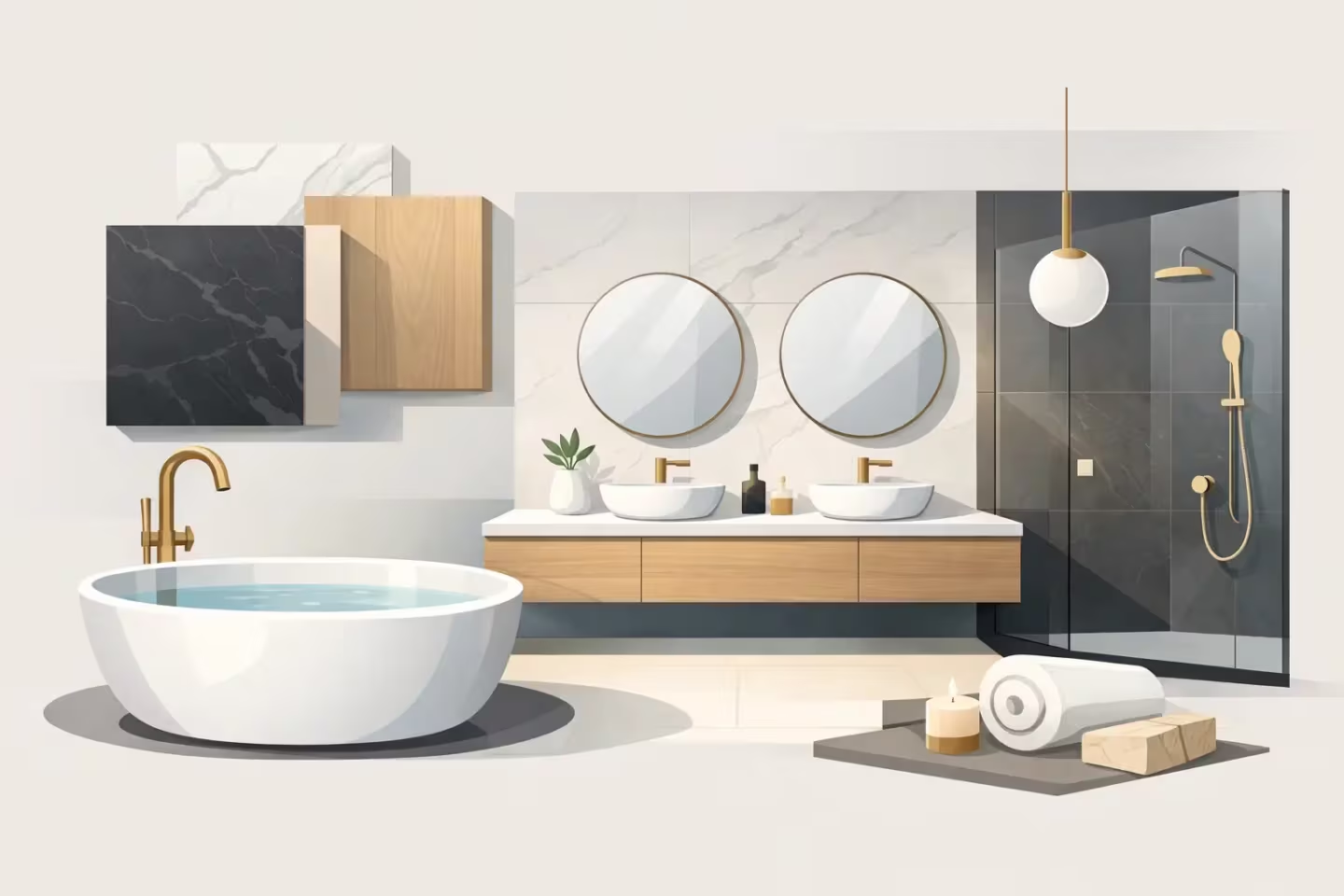
A luxury bathroom can look exceptional on day one and still disappoint a year later if the materials were selected for appearance alone. The best luxury bathroom materials are the ones that hold their finish, resist moisture, feel substantial in daily use, and support the level of detailing a high-end renovation demands. In New York homes especially, where layouts are tight and every finish is under close scrutiny, material selection is not just about taste. It is about performance, longevity, and execution.
What makes the best luxury bathroom materials worth the investment
Luxury is often mistaken for rarity or price. In practice, the best results come from materials that combine visual depth with reliable performance. A bathroom is a wet, high-traffic environment with constant temperature changes, routine cleaning, and fixtures that are touched every day. If a surface etches easily, stains quickly, or requires unrealistic maintenance, it can undermine the entire room.
That is why truly premium material selection starts with the basics. How does it react to water and steam? Does it show every hard water mark? Can it be fabricated cleanly around niches, vanities, and tight corners? Does it complement the architecture of the home rather than overpower it? These are the questions that separate a showroom look from a finished bathroom that still feels elevated years later.
Best luxury bathroom materials for walls and floors
Stone remains one of the strongest choices for a high-end bathroom, but not every stone performs the same way. Marble is the classic reference point because it brings movement, softness, and natural variation that manufactured materials often struggle to replicate. On walls, marble creates an unmistakably refined effect. On floors, it can be stunning, but it needs the right finish and proper sealing. Polished marble is elegant, though it can be slippery and more vulnerable to visible etching. Honed marble offers a quieter look and a bit more practicality.
Porcelain is often the smarter alternative when a client wants luxury without the maintenance profile of natural stone. Large-format porcelain slabs and tiles now deliver remarkable realism, whether the goal is marble, limestone, concrete, or a minimalist monolithic look. The advantage is consistency and durability. Porcelain resists water, scratches, and staining extremely well, which makes it especially appealing for primary bathrooms that see daily use.
Limestone and travertine can also work beautifully in the right design. They bring warmth and a grounded, architectural quality that suits understated luxury. The trade-off is porosity. These materials need thoughtful sealing and a clear understanding of maintenance expectations. In a powder room, that may be an easy decision. In a heavily used family bathroom, it may be less practical.
Mosaic tile deserves a place in the conversation, not as a default finish but as a strategic one. In shower floors, curved surfaces, or feature walls, mosaic can add texture and precision. The key is restraint. In a luxury setting, mosaics tend to work best when they support the larger material story rather than compete with it.
Natural stone vs porcelain
This is one of the most common decisions in upscale bathroom design because both can deliver a premium result. Natural stone offers uniqueness. No two slabs are identical, and that individuality is part of the appeal. Porcelain offers control. It is easier to maintain, often more budget-predictable, and available in dimensions that support cleaner detailing.
For some homeowners, the answer is a mix. Stone on a vanity wall or statement surface, porcelain in the shower and on the main floor. That combination preserves visual richness while reducing maintenance in the highest-wear areas.
Vanity and countertop materials that feel truly high end
Vanities do a surprising amount of visual work in a bathroom. They anchor the room, carry the hardware and plumbing fixtures, and often determine whether the space feels custom or standard. Quartzite is one of the strongest luxury countertop choices because it combines the character of natural stone with better durability than marble in many cases. It is dense, elegant, and well suited for clients who want a refined look without as much vulnerability.
Marble remains a premium vanity material, especially in formal or highly tailored bathrooms. It has a softness and heritage that still resonates. But it should be selected with honesty. If a client wants a pristine, untouched surface over time, marble may not be the right fit. If they appreciate natural aging and understand that subtle wear is part of the material’s character, it can be an excellent choice.
Engineered quartz is more consistent and easier to live with, though it does not always deliver the same visual depth as natural slab materials. In many luxury projects, that makes it useful for secondary bathrooms, investment properties, or homeowners who prioritize ease of maintenance.
For cabinetry, rift-cut oak, walnut, lacquered finishes, and custom-painted hardwoods are among the strongest options. Wood adds warmth that stone and tile cannot. The detail that matters is not just species or color. It is the finish system, edge work, grain continuity, and how well the vanity is built to withstand humidity. A luxury bathroom vanity should feel like furniture, but it also needs to perform like millwork designed for a wet environment.
Metal finishes and fixture materials
Some of the most expensive-looking bathrooms lose their edge because the metal selections feel generic. Solid brass fixtures, quality plated finishes, and well-matched hardware elevate the room in a way that is immediate but hard to fake. When faucets, shower trim, pulls, and accessories are selected with discipline, the bathroom feels composed.
Unlacquered brass has become popular for its living finish, which develops patina over time. It can be beautiful, especially in traditional or richly layered interiors, but it is not for everyone. If uniformity matters, brushed nickel and polished nickel are often safer choices. They feel established, sophisticated, and less trend-driven. Matte black can work well too, though it tends to show mineral residue and fingerprints more readily.
The fixture material behind the finish matters as much as the finish itself. Lower-grade products may look fine initially but wear faster, especially around handles, escutcheons, and exposed trim. In a premium bathroom, this is not the place to compromise.
Glass, plaster, and specialty surfaces
Luxury bathrooms are not built from tile and stone alone. Glass can help a bathroom feel larger, brighter, and more tailored, particularly when used in custom shower enclosures. Low-iron glass is often worth specifying because it reduces the green tint visible in standard glass and reads cleaner in bright, high-end spaces.
Plaster finishes, including waterproof lime-based systems and microcement applications, can create a softer, more architectural atmosphere than tile alone. These materials are especially effective in contemporary bathrooms where the goal is visual calm and fewer grout lines. They require skilled installation and are not ideal for every project, but in the right setting they can make a bathroom feel custom in a very sophisticated way.
Wood-look materials also deserve mention, though real wood is usually better reserved for vanities and selective accents rather than wet floors or shower areas. If a client wants warmth underfoot with better water resistance, porcelain wood-look planks can offer a convincing and practical alternative.
The role of maintenance in choosing the best luxury bathroom materials
A material is only luxurious if the client can live with it comfortably. That is where maintenance becomes a design decision, not just a housekeeping issue. Highly polished surfaces show more spotting. Natural stones vary in porosity. Grout color affects how clean a shower looks between deep cleanings. Even the size of tile matters because more joints mean more maintenance.
This is also where project planning becomes critical. Material transitions need to be resolved before installation. Slab layouts should be reviewed carefully. Waterproofing details, slope, ventilation, and substrate preparation all influence how a premium finish performs over time. The most beautiful slab in the world cannot compensate for poor prep work or careless execution.
For that reason, selecting the best luxury bathroom materials should never happen in isolation. It should happen alongside layout decisions, plumbing locations, lighting, and fabrication details. In a city renovation, where access, lead times, approvals, and multi-trade coordination can all affect the outcome, that level of planning protects both the aesthetic and the investment. This is where a contractor with full-scope oversight, like AGNY Services, brings real value to the process.
How to choose materials that fit the home, not just the trend
Luxury bathrooms age well when the materials are right for the apartment, townhouse, or property they are in. A dramatic bookmatched marble wall may suit a sleek penthouse but feel out of place in a prewar co-op that would benefit more from warm stone, tailored millwork, and polished nickel. Trend awareness has its place, but permanence should lead.
It also helps to think in layers rather than statements. A bathroom does not need every finish to be rare or bold. In many of the strongest spaces, one or two materials carry the room while the supporting finishes stay disciplined. That restraint often reads as more expensive because it allows craftsmanship, alignment, and proportion to stand out.
The best luxury bathroom materials are not simply the most costly ones. They are the materials that suit the space, support the design intent, and perform under real daily use. When beauty and build quality are aligned from the start, the bathroom feels composed in a way that lasts long after the renovation is complete.
If you are selecting finishes for a bathroom remodel, the smartest move is to choose materials with both the eye and the installation in mind. The right surface should still impress after steam, cleaning, and everyday use have had their say.