TL;DR:
- Classic kitchens emphasize craftsmanship, warm materials, and layered details for timeless appeal. Modern kitchens prioritize minimalism, sleek surfaces, and integrated appliances for functional efficiency. Transitional designs blend these elements, offering a popular, adaptable style favored for resale and livability.
Classic and modern kitchens represent two fundamentally different design philosophies, defined by their materials, aesthetics, and relationship to function. The choice between them shapes not just how your kitchen looks, but how it performs for daily life and resale value. According to the Houzz 2026 Kitchen Trends Study, only 12% of homeowners chose traditional styles and 11% chose modern in recent remodels, while a full 25% gravitated toward transitional blends. That data tells a story worth understanding before you commit to either direction.
What defines classic vs modern kitchens?
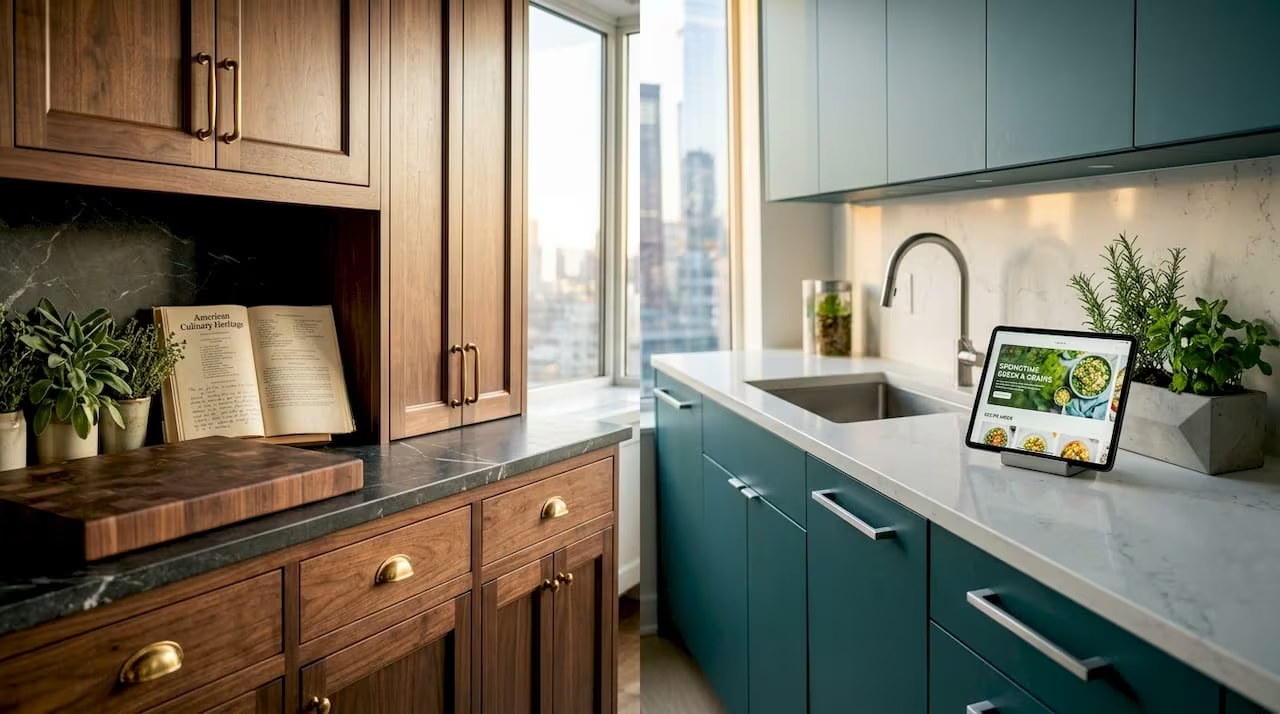
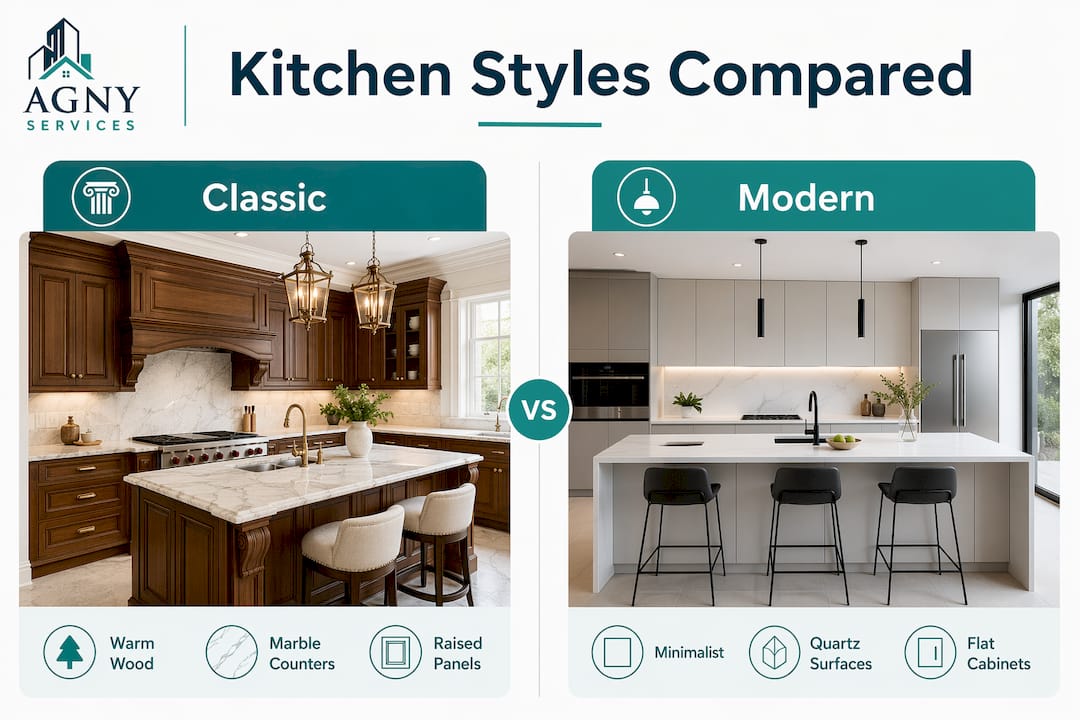
Classic kitchen design, also called traditional kitchen design in the industry, centers on warmth, craftsmanship, and layered visual detail. Modern kitchen design, often labeled contemporary in professional circles, prioritizes simplicity, clean geometry, and functional efficiency. These two styles sit at opposite ends of the kitchen aesthetics spectrum, and understanding their core differences is the first step toward a renovation decision you won’t regret.
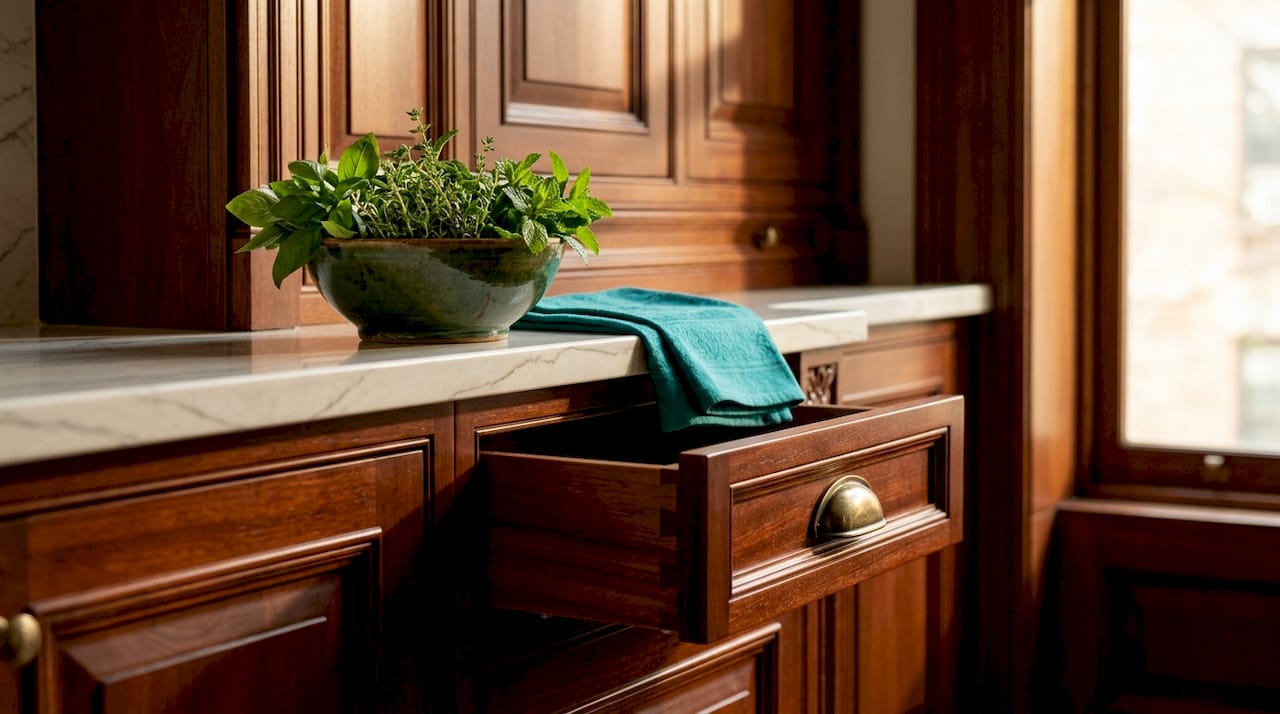
The NKBA 2026 Kitchen Trends Report confirms that natural materials and earthy tones dominate current preferences, with 86% of designers favoring green hues and 78% favoring blue. This means the gap between classic and modern is narrowing in terms of color, even as their structural identities remain distinct. Knowing where each style begins helps you decide where you want to land.
What are the defining characteristics of classic kitchen design?
Classic kitchens are built around craftsmanship and permanence. Every material choice signals longevity, and every decorative detail earns its place through tradition.
The signature elements of a classic kitchen include:
- Raised-panel cabinetry with detailed millwork, often in painted or stained hardwood
- Warm wood tones in cherry, walnut, or oak, sometimes extending to parquet or herringbone flooring patterns
- Inset cabinetry with visible hinges and furniture-style feet, giving the kitchen a built-in, custom feel
- Natural stone countertops such as marble or granite, often with ogee or bullnose edge profiles
- Earthy, warm color palettes including cream, sage, navy, and terracotta
- Layered lighting combining pendant fixtures, under-cabinet strips, and decorative sconces
Designers at The Spruce note that classic kitchen details like warm wood finishes, inset cabinetry, and parquet flooring are making a strong return in 2026. The key insight from those designers: the goal is enduring character, not historical replication. A classic kitchen should feel timeless, not like a museum exhibit.
Pro Tip: If you want classic warmth without a heavy period look, pair inset cabinetry with a simple Shaker profile instead of ornate raised panels. You get the craftsmanship signal without the formality.
For homeowners interested in the carpentry details that define classic kitchens, the quality of millwork is what separates a convincing traditional kitchen from a builder-grade imitation.
What features distinguish modern kitchen design?
Modern kitchens trade ornament for precision. The design logic is subtractive: remove anything that doesn’t serve a clear function, and let the quality of materials speak for itself.
Core features of a modern kitchen:
- Slab-front cabinetry with no visible hardware, or minimal bar pulls in brushed nickel or matte black
- Neutral, cool color palettes anchored by white, gray, greige, and charcoal
- Engineered quartz countertops in solid colors or subtle veining, prized for durability and consistency
- Open layouts that connect the kitchen to living or dining areas, removing visual barriers
- Integrated appliances concealed behind cabinet panels to preserve clean sightlines
- High-gloss or matte lacquer finishes that reflect light and amplify the sense of space
The return to traditional kitchens is partly a reaction against years of pure minimalism. Many homeowners found that all-white, handle-free kitchens looked stunning in photos but felt cold and impersonal to live in. Modern design works best when it incorporates at least one warm material, such as a wood island top or a textured tile backsplash, to prevent the space from feeling sterile.
Pro Tip: Vertical storage and hiding clutter are the two highest-impact moves in a modern kitchen. Concealing appliances behind cabinet panels and using tall pantry units instead of open shelving keeps the minimalist look intact without sacrificing function.
How do transitional kitchens blend classic and modern elements?
Transitional kitchen design is the industry term for a style that deliberately merges classic warmth with modern restraint. It is currently the most popular approach among homeowners undertaking renovations, and the 25% preference rate from the Houzz 2026 study reflects a genuine shift in how people think about kitchen aesthetics. Homeowners want livability and beauty in the same room, and transitional design delivers both.
The 2026 momentum in kitchens points clearly toward timeless, layered design that blends classic warmth with modern function. In practice, this looks like Shaker cabinets in a warm white paired with quartz countertops, or a wood-toned island set against flat-panel perimeter cabinets. The combination avoids the coldness of pure modern and the heaviness of pure traditional.
| Style | Materials | Color palette | Best for |
|---|---|---|---|
| Classic | Hardwood, marble, natural stone | Warm creams, earthy greens, navy | Character-rich homes, period architecture |
| Modern | Quartz, lacquer, glass | Cool whites, grays, charcoal | New builds, open-plan layouts |
| Transitional | Mixed wood and quartz | Warm neutrals, greige, soft sage | Most existing homes, resale-focused renovations |
The transitional approach also performs well for resale. Buyers respond to kitchens that feel current but not trend-dependent, and a well-executed transitional kitchen reads as both fresh and permanent.
What practical factors influence the choice between classic and modern kitchens?
Design preference is only one input. The practical realities of your space, budget, and lifestyle carry equal weight.
Layout compatibility. Both classic and modern kitchens work in L-shaped and U-shaped configurations. Classic designs often benefit from galley layouts that showcase detailed cabinetry runs. Modern designs favor open-plan arrangements that connect to adjacent living spaces.
Storage strategy. Modern kitchens require disciplined storage planning. Without it, the minimalist aesthetic collapses the moment you leave a toaster on the counter. Classic kitchens absorb visual clutter more forgivingly because the layered detail provides context.
Material durability. Engineered quartz outperforms marble in scratch and stain resistance, which matters in high-use kitchens. Hardwood floors in classic kitchens require periodic refinishing. Both are durable choices when properly maintained.
Renovation motivation. 41% of kitchen remodels are motivated by replacing an outdated style, and 38% by fixing dysfunctional features. If your primary driver is function, let layout efficiency lead the design decision rather than the other way around.
Return on investment. Minor kitchen remodels recoup 91.4% of costs nationally, while major gut renovations recoup only 37 to 48%. This means targeted style updates, new hardware, paint, and a backsplash replacement, deliver better financial returns than complete overhauls. The kitchen remodeling cost guide from Agny breaks down these numbers for the NYC market specifically.
For homeowners weighing which style adds more to their home’s value, the property value impact of kitchen renovations depends more on execution quality than on whether the style is classic or modern.
How to update your kitchen style without a full gut renovation
Most kitchens can shift significantly in style without touching a single cabinet box. The structure stays; the visual identity changes.
High-impact updates that work for both directions:
- Paint the cabinets. Moving from a honey oak to a deep navy or warm white is the single highest-leverage change available. It reframes the entire room.
- Replace hardware. Swapping brass cup pulls for matte black bar handles shifts a classic kitchen toward modern in an afternoon. The reverse works equally well.
- Update the backsplash. A subway tile in a classic brick pattern adds traditional character. Large-format porcelain slabs push the space toward contemporary. Marble backsplash options work across both styles depending on the profile and grout color chosen.
- Change the lighting fixtures. Lantern-style pendants signal classic. Geometric or industrial pendants signal modern. Lighting is the fastest way to communicate a style shift to anyone who walks in.
- Introduce or remove open shelving. Open shelving with styled objects reads as classic or farmhouse. Replacing it with closed cabinetry reads as modern and organized.
Simple upgrades like paint and hardware have transformed early 2000s kitchens into spaces that look current and cohesive within modest budgets. The key is coordinating all changes so they speak the same visual language. Mixing a modern backsplash with ornate traditional hardware creates confusion rather than character.
Many designers also recommend keeping classic cabinet proportions when updating to a modern look, then using new materials like quartz to unify the result. This avoids the “pasted-on” appearance that happens when modern finishes are applied to cabinets with traditional proportions and no other changes.
Key takeaways
The most effective kitchen renovation balances your home’s architecture, your daily habits, and your resale timeline rather than chasing a single style trend.
| Point | Details |
|---|---|
| Classic design signals craftsmanship | Raised-panel cabinetry, warm wood tones, and natural stone define the traditional kitchen style. |
| Modern design prioritizes function | Slab cabinetry, integrated appliances, and quartz surfaces deliver clean, low-maintenance spaces. |
| Transitional is the dominant choice | 25% of homeowners chose transitional in 2026, outpacing both pure classic and pure modern. |
| Minor remodels deliver better ROI | Updates recouping 91.4% of costs beat major gut renovations that return only 37 to 48%. |
| Style shifts don’t require full rebuilds | Paint, hardware, backsplash, and lighting changes can redefine a kitchen’s identity without structural work. |
What I’ve learned from years of kitchen renovations in NYC
Working on kitchen renovations across New York City, I’ve watched the all-white modern kitchen go from aspirational to almost universally regretted within a single decade. Clients who installed handle-free lacquer kitchens in 2015 are now asking for warmth back. That’s not a failure of taste. It’s proof that pure minimalism is harder to live with than it looks in a magazine.
What I tell homeowners now is this: the return to classic warmth isn’t nostalgia. It’s a correction. People want kitchens that feel like rooms, not showrooms. The transitional approach wins in NYC specifically because the city’s pre-war and mid-century buildings have bones that fight against pure modernism. When you install a sleek, flat-panel kitchen in a 1920s apartment with plaster moldings and oak floors, the kitchen looks like it was dropped in from a different building.
The pitfall I see most often is homeowners choosing a style based on what photographs well rather than what functions well for their actual cooking habits. A classic kitchen with detailed millwork and open shelving looks beautiful. It also requires constant maintenance to stay that way. A modern kitchen with integrated appliances looks effortless. It requires disciplined organization to stay that way. Neither style is low-effort. They just demand different kinds of attention.
My honest recommendation: start with your lifestyle, then choose the style that makes that lifestyle easier to maintain. If you cook heavily and have a family, transitional design with durable quartz, warm tones, and closed storage will serve you better than either extreme. If you entertain and want drama, a classic kitchen with strong millwork and natural stone delivers something no modern kitchen can replicate.
— Grzegorz
Ready to renovate? Agny builds kitchens that hold their value
Agny specializes in kitchen renovations that balance design ambition with real-world performance. Whether you’re drawn to the warmth of a classic kitchen, the precision of a modern layout, or the best-of-both approach that transitional design offers, Agny’s team handles the full scope: millwork, cabinetry, countertops, and layout planning. Every project is built around your space, your habits, and your resale goals. If you’re planning a New York kitchen renovation and want a team that understands both the design and the construction side, contact Agny for a personalized consultation.
FAQ
What is the main difference between classic and modern kitchens?
Classic kitchens use warm wood tones, raised-panel cabinetry, and natural stone to create layered, craftsmanship-driven spaces. Modern kitchens use slab cabinetry, engineered quartz, and integrated appliances to create clean, minimalist environments.
Which kitchen style has the best resale value?
Transitional kitchens tend to perform best for resale because they appeal to the widest range of buyers. Minor updates to either classic or modern kitchens recoup 91.4% of costs nationally, making targeted refreshes more financially sound than full gut renovations.
What is a transitional kitchen?
A transitional kitchen blends classic and modern elements, typically pairing Shaker-style cabinetry with quartz countertops and warm neutral colors. It is currently the most popular style choice, selected by 25% of homeowners in the Houzz 2026 Kitchen Trends Study.
Can I update a classic kitchen to look more modern without replacing cabinets?
Yes. Painting cabinets, replacing hardware, updating the backsplash, and changing lighting fixtures can shift a classic kitchen toward a modern aesthetic without touching the cabinet structure. Keeping the original cabinet proportions while updating materials avoids a mismatched result.
What materials are trending in 2026 kitchen renovations?
Natural materials dominate 2026 trends, with natural stone and earthy tones leading the way. The NKBA 2026 report shows 86% of designers favoring green hues and 78% favoring blue, reflecting a move toward organic warmth in both classic and modern kitchens.