
You've got a contractor, a rough design, and a renovation that looks manageable on paper. Then the architect adds drawings, the building asks for approvals, the Department of Buildings requires filings, and the contractor requests a deposit before demolition can begin. In New York City and New Jersey, the financing problem usually isn't finding one large check. It's keeping enough cash available while the project moves through deposits, permits, inspections, deliveries, change orders, and final payments.
The right answer to how to finance a renovation starts with project control. Build the full budget first, identify when money will leave your account, then match the funding source to the scope, schedule, collateral, and repayment risk. A low advertised rate won't help if the lender releases funds too slowly, while quick unsecured money can become expensive if construction takes longer than expected.
First Steps Sizing Up Your Renovation Budget
A homeowner planning a Manhattan kitchen renovation may begin with cabinetry, appliances, flooring, and labor. A New Jersey owner may start with an addition or whole-house renovation. Both need a broader budget before comparing loans. The contractor's base estimate is only one part of the financial picture.
Create separate lines for construction, design, engineering, permits, filing costs, insurance requirements, temporary protection, storage, moving, and financing-related fees. In a co-op or condo, account for board review requirements and building procedures. Older properties can also introduce concealed plumbing, electrical, masonry, or structural work after walls open.

Build the number that lenders and contractors can use
Ask the contractor for a scope-based estimate, not a single rounded figure. The scope should identify allowances, exclusions, labor phases, material assumptions, and items that depend on design decisions. A lender needs documentation it can underwrite, and you need a budget you can test against actual payment dates.
Your working budget should include:
- Hard costs: Demolition, framing, finishes, fixtures, electrical, plumbing, HVAC, painting, flooring, and installation.
- Soft costs: Architectural plans, engineering, expediting, permits, filing work, inspections, and professional consultations.
- Building costs: Board review, elevator reservations, deposits, protection requirements, access restrictions, and building-mandated procedures where applicable.
- Cash-flow timing: Contractor deposits, design payments, permit-related expenses, progress draws, material deposits, and retainage or closeout obligations.
- Contingency: Keep a meaningful reserve for concealed conditions, owner changes, price movement, and schedule disruption. In this market, treating contingency as optional is a common cause of mid-project borrowing.
The timing matters as much as the total. A renovation can be fully funded in theory and still stall because the owner has money reserved for the final invoice but not enough available for an early deposit or a change order.
Decide how much savings can safely go into the work
Recent survey data found that 73% of U.S. homeowners used personal savings for renovations in 2025, while 54% relied exclusively on savings. The 2025 How America Renovates report supports a practical conclusion: the question isn't only which loan costs less. It's how much liquidity you need throughout construction.
Don't commit every available dollar to the contract. Reserve cash for living expenses, business operations, mortgage or rent, insurance, taxes, and unresolved project exposure. A homeowner renovating a brownstone may need funds available while permits or inspections take longer than expected. A commercial owner may also face rent, payroll, or lost-use costs during a build-out.
For a visual reference, review this kitchen renovation example for Manhattan and Brooklyn, then ask your contractor to separate the design vision from the cash required to deliver it. That distinction makes later financing decisions more realistic.
Your Primary Funding Playbook Comparing Core Options
Most homeowners choose among four core funding paths: a home equity loan, a HELOC, cash-out refinancing, or a personal loan. They solve different problems. A fixed lump sum suits a defined scope, while a revolving line can better handle phased work. Refinancing may restructure the entire mortgage, and a personal loan can move quickly without using the home as collateral.
The rate difference is significant. In 2026, typical personal-loan rates ranged from 6.5% to 36%, while home equity loans and HELOCs were generally around 6% to 11%, according to this 2026 renovation financing rate summary. Your approved rate, fees, term, and repayment structure will depend on underwriting, but the comparison shows why product selection belongs in the budget.
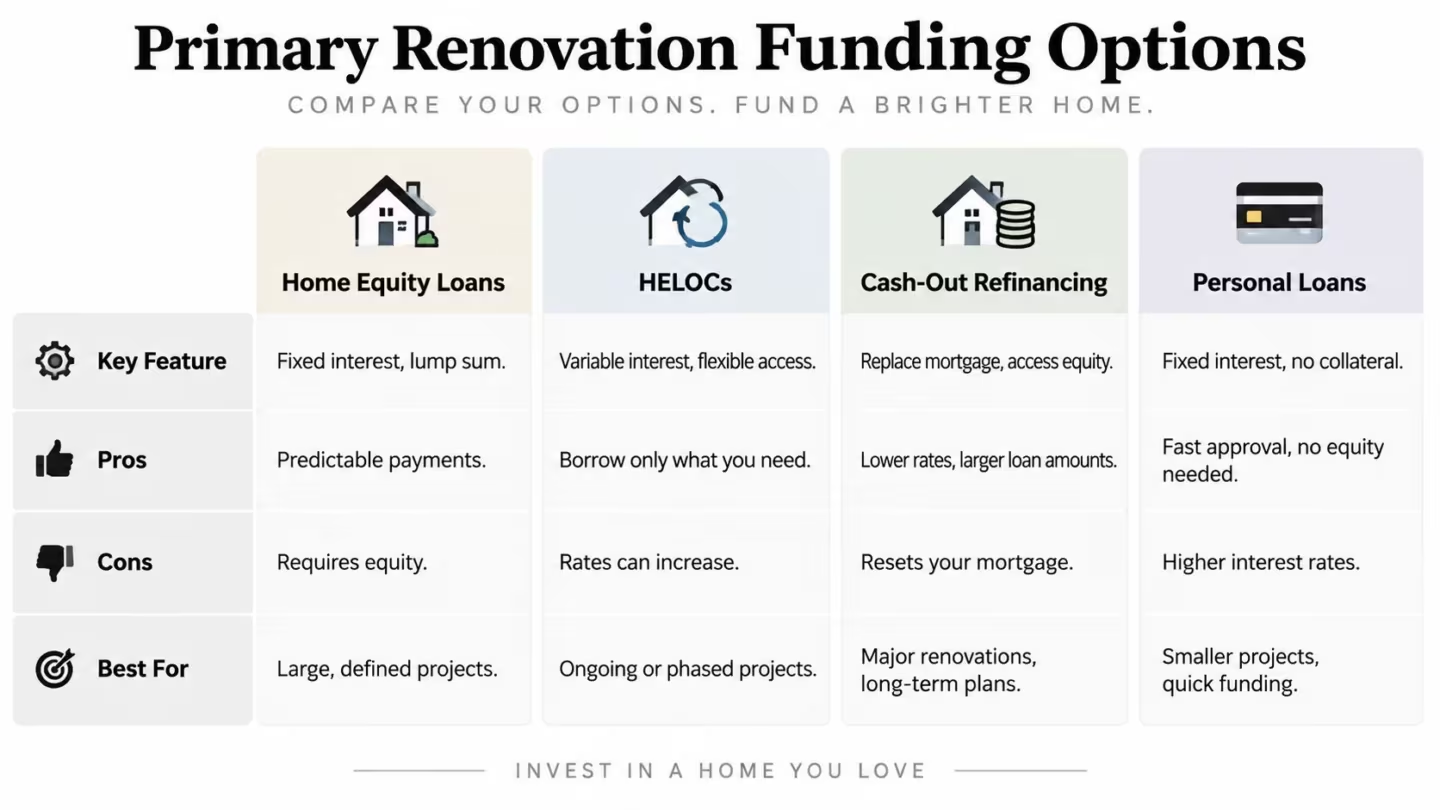
Renovation Financing Options at a Glance
| Financing Option | Best For | Typical Interest Rate (2026) | Key Consideration |
|---|---|---|---|
| Home Equity Loan | Large, defined projects | About 6% to 11% | Fixed payment, requires equity |
| HELOC | Phased or flexible renovations | About 6% to 11% | Variable-rate access to funds |
| Cash-Out Refinancing | Major projects with mortgage restructuring | Varies by lender and borrower | Replaces the existing mortgage |
| Personal Loan | Smaller, faster-moving scopes | 6.5% to 36% | Unsecured, potentially costly |
Home equity loans
A home equity loan delivers a lump sum with a predictable repayment schedule. It can fit a defined kitchen, bathroom, or interior renovation where the plans and price are reasonably stable before closing.
The advantage is control. You know the borrowing amount and can plan payments around it. The disadvantage is that approval depends on equity, income, credit, valuation, and the lender's combined loan-to-value rules. The home secures the debt, so missed payments carry more serious consequences than an unsecured balance.
This option often works best when the contractor has completed a detailed scope and the project doesn't need repeated funding decisions. It works less well when the owner expects major design changes or when concealed conditions could materially change the final cost.
HELOCs
A HELOC provides access to a credit line rather than one immediate lump sum. That structure can suit a brownstone restoration, phased commercial improvement, or renovation where the owner will draw funds as invoices arrive.
You pay interest on the amount used, which can help avoid borrowing the entire project amount on the first day. But the rate may change, and the available line can create a false sense of spare capacity. If the project expands, the owner may keep drawing without confronting the revised total cost.
Set a draw approval process before work begins. Each draw should connect to a completed milestone, an invoice, and an updated budget.
Cash-out refinancing
Cash-out refinancing replaces the existing mortgage with a new loan and releases part of the property's equity. It can make sense when the owner wants to restructure the mortgage and fund a substantial renovation through one larger facility.
The drawback is disruption. Closing costs, appraisal requirements, underwriting, and a new interest rate can make refinancing unattractive if the current mortgage is favorable. It also turns a renovation decision into a long-term housing-cost decision, so compare the full repayment picture rather than focusing only on the cash received.
Personal loans
Personal loans are usually simpler because they don't require the home as collateral. They may fit a smaller repair, a short material purchase gap, or a project with a firm scope and quick execution.
Speed is the main benefit. Cost and monthly-payment pressure are the risks. A high-rate personal loan can strain a household budget, especially when a contractor's schedule slips and the balance remains outstanding while the finished space is not yet usable.
Use personal borrowing cautiously for bridge needs. It's rarely a good substitute for a properly structured facility on a complex renovation with permits, staged work, and uncertain conditions. The construction and renovation work context is a useful reminder that the physical sequence of work should guide the financial sequence too.
Beyond the Basics Specialized and Alternative Financing
A fixer-upper in Brooklyn, a brownstone with limited usable equity, and a New Jersey property needing major systems work can all defeat a standard renovation loan. The right financing must match the property's current condition, the completed value, the approval process, and the timing of contractor payments.
Renovation mortgages for major work
The FHA 203(k) program places purchase or refinance funds and rehabilitation costs within one mortgage structure. HUD requires contractor permits before work begins and uses inspection-based draw releases, so funds follow documented progress instead of arriving as unrestricted cash. That control can limit early overspending, but inspections and paperwork must be included in the construction schedule. The program may suit substantial rehabilitation, particularly when the property cannot function as intended without the work. For a small cosmetic project, its administrative burden may outweigh the financing benefit.
Fannie Mae's HomeStyle Renovation loan uses the completed project value in underwriting. It allows up to 97% maximum loan-to-value for a one-unit owner-occupied transaction, with financing tied to the property's as-completed value, according to Fannie Mae's HomeStyle Renovation guidance. That approach can help when permitted improvements materially raise the property's value, although the appraisal, plans, contractor documentation, and draw process still need to support the proposed result.
Contractor financing and limited-use credit
Contractor-arranged financing can reduce the number of separate parties you manage. Review the lender, rate, term, origination costs, draw rules, cancellation terms, and covered work before signing. A fast application does not replace a complete budget, especially where NYC building approvals, co-op or condo requirements, and staged inspections affect cash flow.
Credit cards may cover a controlled purchase or short bridge need. They are poorly suited to a renovation that may face material delays, disputed deliveries, or change orders. The balance can remain outstanding while rooms are unusable and contractor payments continue. Grants or local assistance may reduce costs for qualifying applicants, but availability and eligibility vary. Treat them as possible offsets, not committed funding.
Technical systems need their own cost checks. For heating and cooling, the HVAC contractor reference for Manhattan and Brooklyn projects can help keep equipment, installation, permits, and commissioning in the scope. Financing works only when the scope includes the work required to place the system into service.
Navigating the Application Process in NYC and NJ
A renovation loan application becomes easier when you treat it like a construction submittal. The lender needs to understand you, the property, the contractor, the scope, the value, and the way money will move. Missing one of those pieces can delay approval even when the borrower's income and credit are acceptable.
Start with the financial file. Gather identification, income records, tax returns where requested, account statements, current mortgage information, insurance details, and documentation for other debts. Business owners and commercial borrowers should expect additional review of entity finances and operating income.
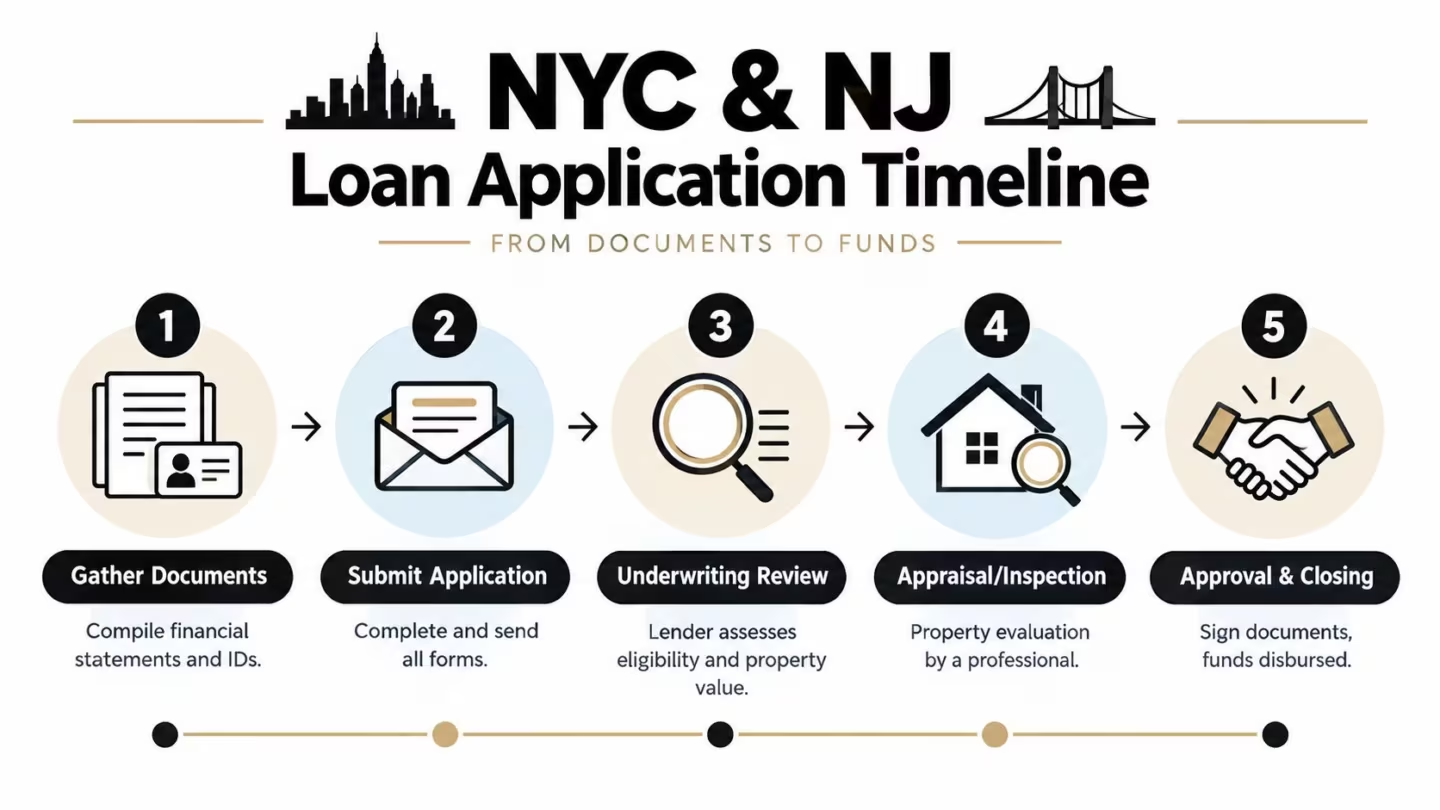
The project file matters as much as the personal file
Your contractor should provide a clear estimate, scope, schedule, insurance information, licensing details where required, and payment milestones. Add architectural drawings, engineering documents, permit status, appliance or fixture selections, and building approvals when they apply.
For a condo or co-op, ask the managing agent or board what documentation must be approved before construction. A lender may also need evidence that the work is permitted and that the contractor can perform it under the property's rules. A project can be financially approved and still unable to start because access, insurance, or board conditions remain unresolved.
Practical rule: Never set a financing closing date without checking the construction start conditions.
The lender then reviews the borrower and the property. Depending on the product, this may include an appraisal, title work, valuation of the proposed completed property, contractor review, and inspection procedures. Construction-oriented products generally require more coordination because the lender must monitor draws and completion.
Control the sequence before funds arrive
Personal-loan applications may move faster than mortgage-based renovation financing, but speed depends on the file and lender. Equity products can require valuation and underwriting, while construction loans involve project review and draw administration. Don't promise a demolition date until the funding method, approvals, and initial draw requirements are clear.
Even homeowners paying from savings need this process discipline. A 2026 renovation financing analysis found that 77% of homeowners paid for renovations with cash from savings, yet savings-funded projects still face early contractor deposits, permit costs, design fees, and change orders. Your bank balance must support the construction sequence, not just the final budget total.
Strategic Decisions and Smart Money Management
A fixed kitchen renovation with selected cabinets and appliances is easier to finance than a brownstone gut renovation. Opening walls and floors can expose structural, plumbing, or electrical conditions that change the scope. A commercial build-out adds lost operating capacity, so the funding schedule can affect revenue as directly as the interest rate.
Before accepting an offer, answer these questions:
- Is the scope fixed or flexible? A defined scope usually fits a lump-sum structure. A phased project may require controlled access to a line of credit or staged draws.
- Do you need payment certainty? A fixed-rate loan makes household or property budgeting more predictable. A variable-rate line offers flexibility, but test whether the payment remains manageable if rates rise.
- How much equity is available? Equity-based borrowing depends on the valuation and the lender's limits. The property's market value does not equal the amount you can borrow.
- Can the property support inspections and draw administration? Building access restrictions, board approvals, permit conditions, and incomplete insurance documents can delay funding even after approval.
- What happens if the project costs more? Identify the contingency source before signing the contract. A credit card should not become the automatic solution.
Cash flow matters as much as the approved amount. In New York City and New Jersey, deposits, permit expenses, design invoices, filing costs, and staged trade payments can arrive before the first meaningful draw. Keep enough liquidity for those gaps.
Make every draw traceable
Tie each payment to completed work, approved materials, or a documented milestone. Keep invoices, change orders, inspection records, receipts, and lien waivers in one project file. A lien waiver documents payment and can reduce unresolved payment claims, but it must be reviewed and used correctly for the jurisdiction and payment stage.
Do not release the full balance because a contractor requests it. Match payment to the contract, verify the work, and retain enough funds for closeout items. The contractor and lender may use different draw forms, so agree on the process before the first payment.
For borrowers testing repayment assumptions, this guide to Excel loan payments can help model monthly payments under different rates, terms, and principal amounts. Treat the result as planning support, not a lender quote.
AGNY Services LLC offers renovation and construction services with payment milestones and a financing application process for clients reviewing available options. Keeping the contractor's scope, schedule, and funding plan aligned helps expose cash-flow gaps before they interrupt the work.

Your Financing Blueprint for a Successful Renovation
Financing a renovation in New York or New Jersey is a project-management decision, not just a loan-shopping exercise. Start with a localized, scope-based budget that includes design, permits, building requirements, deposits, staged payments, and a realistic contingency reserve. Then map those costs against the dates when money will leave your account.
Choose the funding structure according to the work. A home equity loan can provide predictable funding for a defined scope. A HELOC may suit phased work, but its flexibility needs firm controls. Cash-out refinancing can be appropriate when mortgage restructuring makes sense, while a personal loan may serve a smaller or urgent requirement without pledging the property. Renovation mortgages can be more suitable when the project is tied to a purchase, major rehabilitation, or a completed value that current equity doesn't capture.
Prepare the lender file and construction file together. Contractor credentials, architectural plans, permits, insurance, valuation assumptions, and draw requirements can affect the start date as much as income documentation. If you're renovating a co-op, condo, brownstone, multifamily property, office, retail space, or hospitality site, resolve building and regulatory requirements before treating financing as final.
The goal isn't to borrow the maximum available amount. It's to keep the work funded without sacrificing essential liquidity or accepting expensive emergency debt. A contractor who understands permitting, sequencing, documentation, and payment milestones can help you build a financing plan that reflects how the renovation will happen.
AGNY Services LLC provides residential and commercial renovation services across New York City and New Jersey, including design coordination, permitting, construction, and project closeout. To discuss your scope, payment milestones, and available financing options, visit AGNY Services LLC and request a consultation.