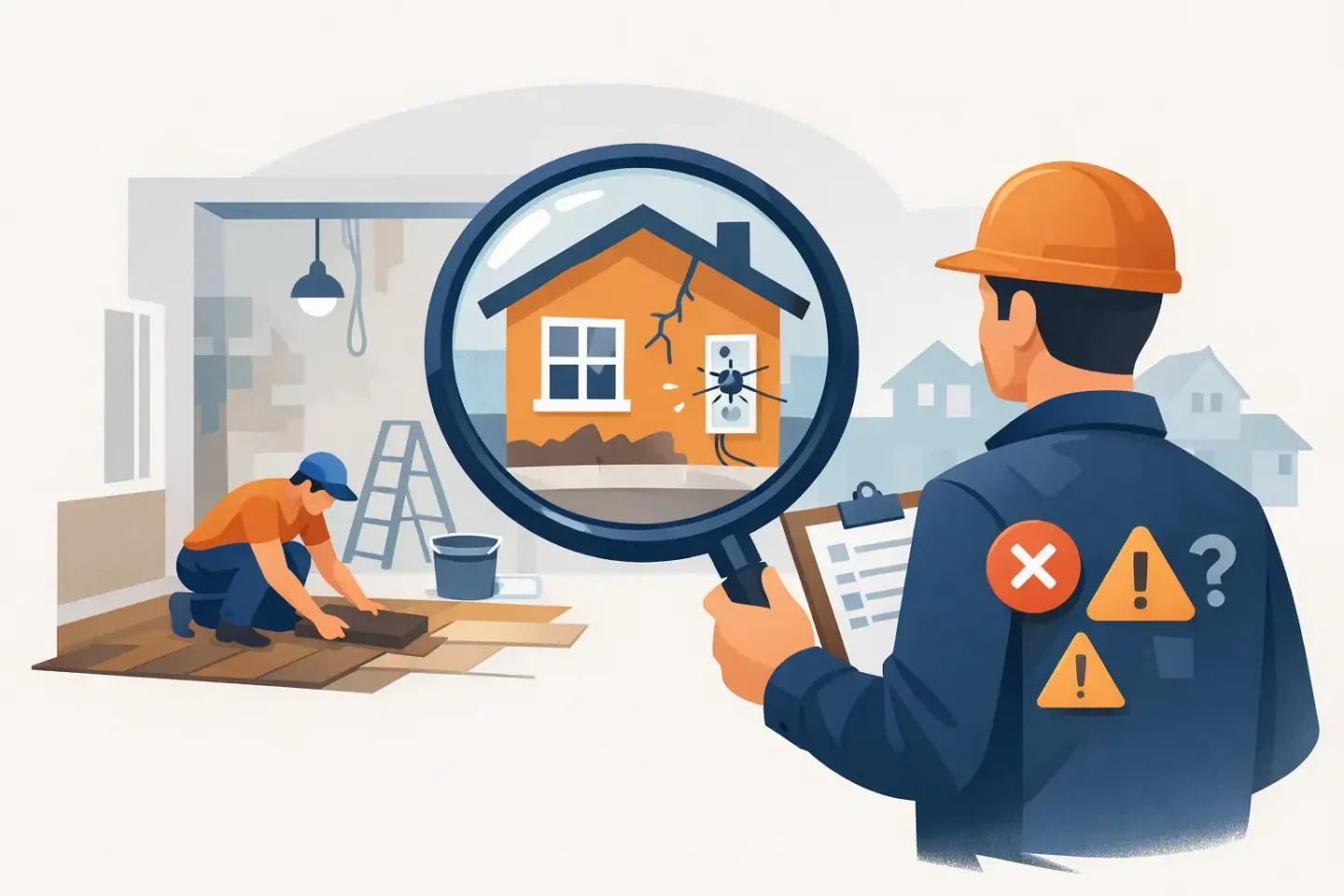
A renovation can look beautifully finished and still fail the moment an inspector opens a panel, checks a vent path, or reviews the approved plans. That is usually the frustrating answer to why do renovations fail inspections: the visible finish is only one part of the job, while compliance, sequencing, and documentation decide whether the work is actually acceptable.
In New York City, that gap between appearance and approval matters even more. Co-op and condo rules, DOB requirements, aging building conditions, and tightly coordinated trades create little room for improvisation. A project does not fail inspection because someone chose the wrong tile. It fails because the work behind the walls, above the ceiling, or on paper does not match what the project legally and technically requires.
Why do renovations fail inspections in the first place?
Most failed inspections trace back to one issue: the project was managed as a design exercise instead of a construction process. Owners often focus on layouts, finishes, and deadlines. Inspectors focus on code, safety, approved scope, and whether each system was installed correctly and in the right order.
That difference in perspective is where problems begin. If plumbing is moved without the proper filing, if electrical rough-in is completed before all details are coordinated, or if framing closes before required corrections are made, the project becomes vulnerable. The failure itself may show up in a single inspection, but the cause usually started weeks earlier.
There is also a practical reality that many people underestimate. Renovation inspections are not simply pass-or-fail judgments on craftsmanship. They are checkpoints that confirm whether the project aligns with code, permit conditions, manufacturer requirements, and the approved plan set. Even strong-looking work can fail if one of those pieces is off.
The most common reasons renovations fail inspections
Permit issues and scope mismatches
One of the fastest ways to fail an inspection is when the work performed does not match the permitted scope. This happens more often than clients expect, especially when projects evolve midstream. A simple bathroom renovation turns into relocated fixtures, upgraded electrical service, or structural adjustments. If the paperwork was not updated to reflect those changes, the inspector may flag the discrepancy immediately.
In New York, even seemingly modest changes can trigger filing or approval consequences. The issue is not just whether the work is good. It is whether the work was authorized and documented correctly.
Work that does not meet current code
Another common reason is straightforward code noncompliance. This can include improper outlet spacing, missing GFCI protection, undersized venting, incorrect stair dimensions, inadequate fire blocking, or plumbing installations that do not meet present standards.
This is where renovation becomes more complex than repair. Existing buildings often contain grandfathered conditions, but once you alter a system, portions of the new work may need to comply with current code. Owners are sometimes surprised by this, especially in older Manhattan or Brooklyn properties where previous work may have been done decades ago under different requirements.
Poor sequencing between trades
Inspection failures often come from coordination problems rather than one bad installer. If the electrician, plumber, HVAC mechanic, framer, and finish team are not aligned, details get missed. A duct run interferes with framing. A plumbing line blocks access. A junction box ends up buried. A fire-rated assembly is compromised by another trade’s penetration.
This is one of the clearest examples of why complex renovations benefit from centralized project oversight. Trade quality matters, but trade coordination matters just as much.
Concealed work before inspection
Some failures are self-inflicted by moving too fast. Drywall goes up before rough-ins are approved. Tile is installed before waterproofing can be verified. Ceilings are closed before corrections are documented. Once work is concealed, inspectors may require areas to be reopened.
That can be expensive, but it is also avoidable. A well-managed project treats inspections as part of the schedule, not as an interruption to it.
Incomplete documentation on site
Inspections are not only about what the inspector sees physically. They also depend on whether the project team can produce the right plans, approvals, product information, and sign-offs. If the approved drawings are missing, revisions are unclear, or installation specifications cannot be verified, the inspection may stall.
This tends to frustrate owners because the work may be perfectly correct. But from an inspector’s standpoint, undocumented compliance is not the same as compliance.
Why do renovations fail inspections even when the workmanship looks good?
Because inspections evaluate performance, safety, and accountability, not just appearance. A custom shower can be beautifully finished and still fail if the waterproofing system was installed incorrectly or cannot be confirmed. A sleek kitchen can fail because the electrical load calculations were not addressed properly. A built-in millwork feature can create clearance or access problems if it blocks serviceability.
High-end renovations especially can create this misunderstanding. Premium materials and polished finishes often give owners confidence that the project must be inspection-ready. But inspections are concerned with what is behind, beneath, and around those finishes. Precision matters aesthetically, but it matters even more technically.
There is also an uncomfortable truth in some projects: skilled finish work can hide flawed rough work. That is why experienced contractors respect inspections instead of treating them as a formality.
NYC-specific conditions that increase inspection risk
In New York City, renovations operate inside layers of regulation that are more demanding than in many other markets. Building management rules, landmark considerations, DOB filing requirements, occupied-building logistics, and limited working hours all affect how the job is executed.
Older building stock adds another layer. Existing piping may be out of alignment. Walls may not be plumb. Previous renovations may have left noncompliant or undocumented conditions behind. When new work intersects with those realities, the project can become more complicated than it appeared at demolition.
There is also the issue of access. In a townhouse, apartment, or mixed-use property, getting the right trade into the right area at the right time is not always simple. Delays can tempt teams to work ahead before inspections are complete. That is often where avoidable failures start.
For busy owners and investors, this is the real cost of weak project control. A failed inspection is rarely just a scheduling annoyance. It can trigger rework, added labor, building management friction, and delayed occupancy or turnover.
How to prevent a failed renovation inspection
The most effective prevention begins before construction starts. The project scope should be defined clearly, the drawings should reflect the intended work, and permit strategy should match reality rather than a simplified version of the job.
From there, execution has to stay disciplined. Trades need coordinated field direction. Any scope changes should be reviewed before installation, not after. Inspection milestones should be built into the schedule with enough time for corrections if needed. And the site should always have current documents available.
Equally important is choosing a contractor who understands that compliance is part of craftsmanship. The best renovation teams do not separate beautiful results from technical correctness. They treat permits, rough-ins, sign-offs, and final approvals as part of the finished product.
That matters even more on multi-trade projects like kitchens, baths, gut renovations, and commercial interiors, where one decision affects several systems at once. A contractor with broad in-house coordination and strong inspection management can identify issues before they become failed inspections. That is one reason property owners in Manhattan and Brooklyn often look for a single team that can manage both the visible work and the operational complexity behind it.
What owners should ask before a project begins
If you want to reduce inspection risk, ask practical questions early. What permits are required? Which inspections will occur and when? Who is responsible for scheduling them? How are plan changes handled? What happens if existing conditions force a revision? How will the contractor coordinate plumbing, electrical, HVAC, and finish work so one trade does not compromise another?
These are not administrative details. They are indicators of whether the project is being managed with control. Sophisticated clients understand that a renovation is not protected by taste alone. It is protected by process.
A firm like AGNY Services approaches renovation with that level of oversight because in New York, beautiful execution and inspection readiness have to move together. If they do not, the project may still look complete while remaining far from truly finished.
The best renovations pass inspection before the inspector arrives, because the decisions, coordination, and standards behind the walls were handled correctly from the start.